Zanzibar: 4 Days Unearthing the Forgotten Slave Routes
Stone Town, West/Urban Region, Zanzibar - Tanzania
Offered in:  English
  Italian
  German
  Spanish
  French
Book in Just 4 Easy Steps
Check Availability
Find the perfect package and available dates that match your travel schedule for a smooth booking today.Choose Your Options
Select your date, group size, and extras to fully customize your package experience perfectly today now.Confirm Your Booking
Double-check your details carefully to ensure everything is correct before confirming your bookings.Pay Online Securely
Complete your payment securely and get ready to enjoy an unforgettable and exciting experience.Overview
Step back in time and uncover Zanzibar’s Powerful Slave-Trade Legacy through a meaningful journey across its most significant Historical Sites. This eye-opening experience offers a deeper understanding of the island’s past, revealing stories of resilience, culture, and transformation. Walk through Landmarks that once shaped lives and history, guided by insights that bring each place to life. Engage with the heritage, reflect on its impact, and gain a richer perspective of Zanzibar’s Identity. This thoughtful itinerary creates a powerful connection between past and present, leaving a lasting impression.
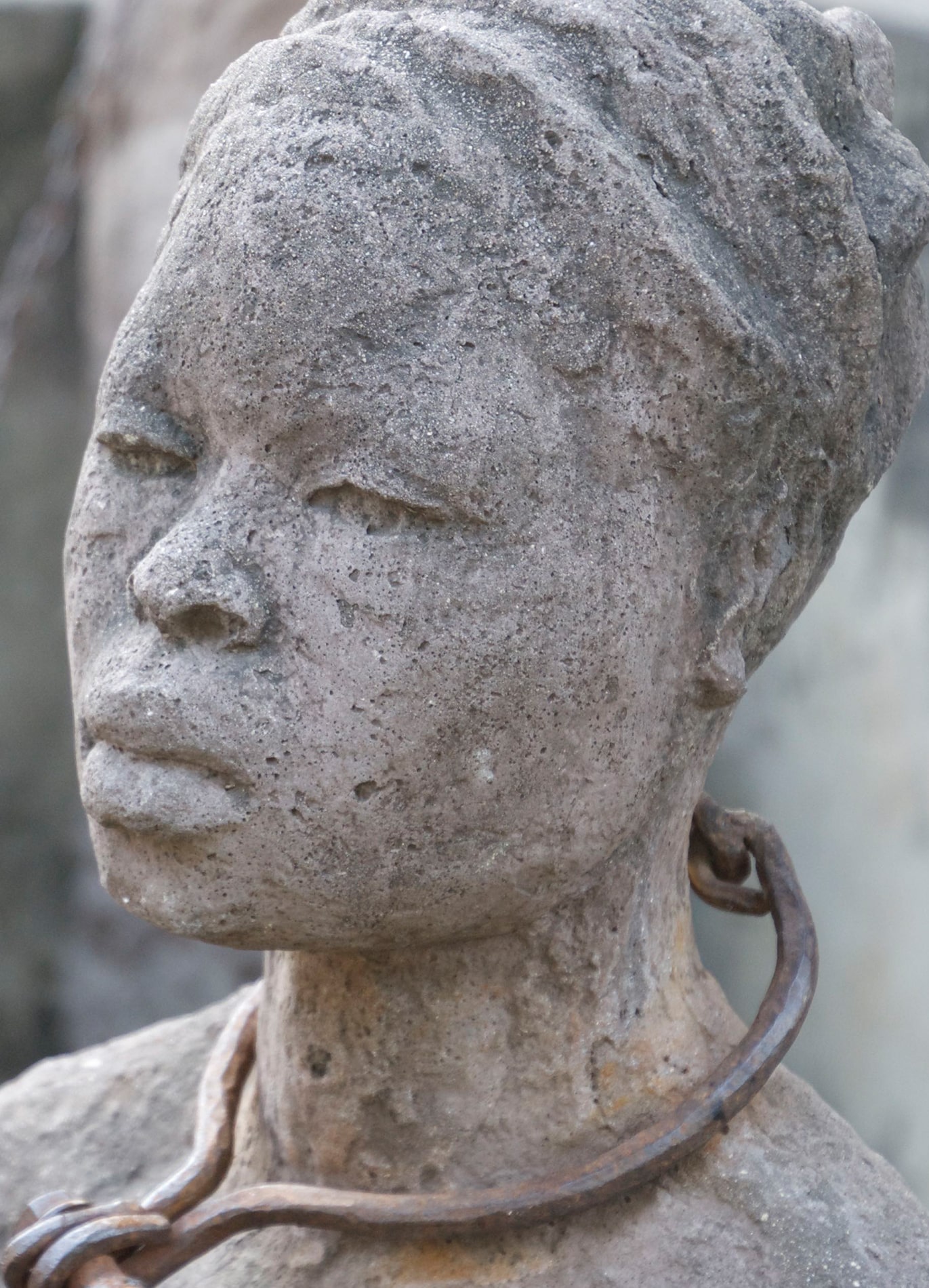
Begin at Malindi’s Dhow Harbour, where ships once arrived from Bagamoyo, marking a key entry point in Zanzibar’s past. Continue to Tippu Tip’s Old Residence, once home to the infamous slave trader, offering insight into a complex and difficult history. The journey then leads to the Old Slave Market and Anglican Cathedral, a powerful and moving landmark that stands as a reminder of human resilience, reflection, and the enduring strength of the human spirit.
Discover , once a base for the famous explorer and abolitionist, and walk through the , a former mission school built to educate freed slave girls. Each site reveals stories of struggle, change, and hope for a better future.
The experience concludes at the and the and , where slaves once awaited the monsoon winds to be transported. This powerful exploration blends history, culture, and remembrance, leaving every traveler with a deeper understanding of Zanzibar’s past.
Service of Informative, friendly and Experienced Professional Tour Guide
Hotel Accommodations as shown in the package
VAT (18% charged by the Government)
All excursions shown in this package are part of the itinerary
Unlimited Portable Wi-Fi
All entrance and service fees are included in the package
Mineral Water during the tours
Transport Waiting Charge
Drinks & Beverages (Champagne, Spirits, Premium Brands and Cigars)
Visa fees (US $50 / US $100 for American or Irish Passport holders)
Early check-in / late checks-out is subject to availability of rooms
Any domestic connection flights on arrival or departure
Gratuities for Guide (please tip separately)
Anything not mentioned in the inclusions
All items of a personal nature
Mandatory Inbound Travel Insurance - Visit visitzanzibar.go.tz
International Flights
Details Itinerary
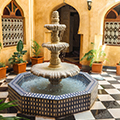
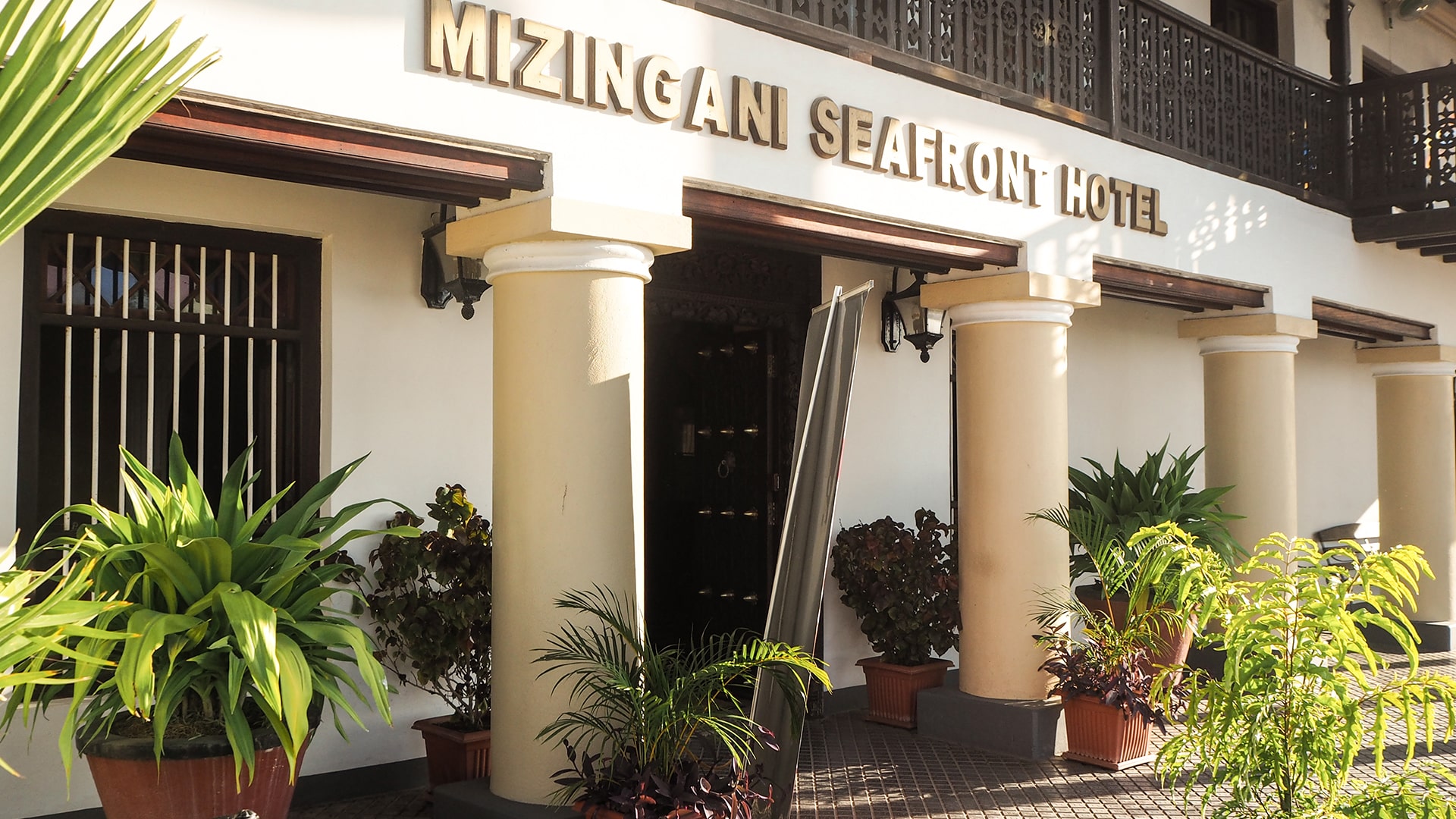
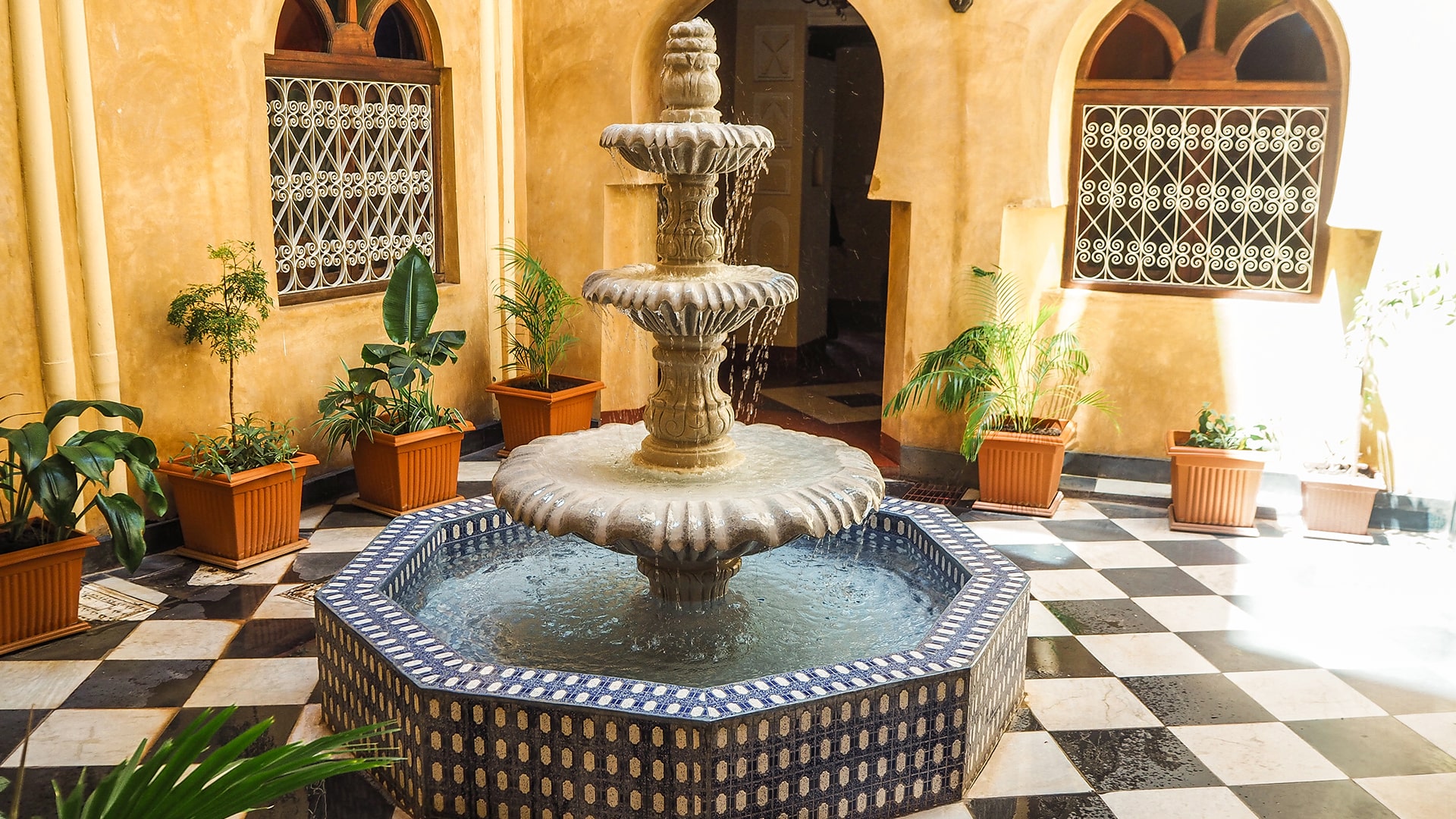
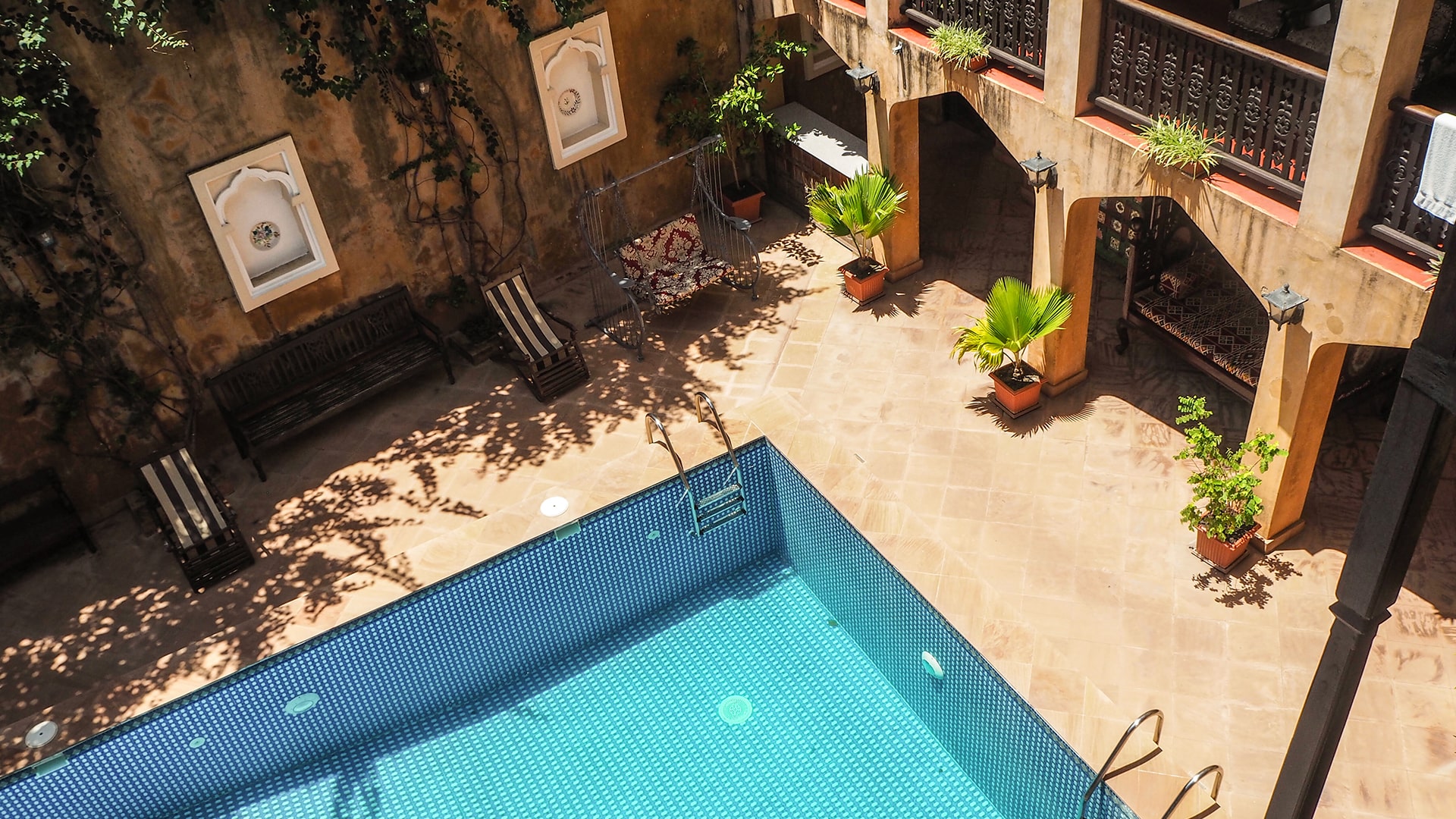
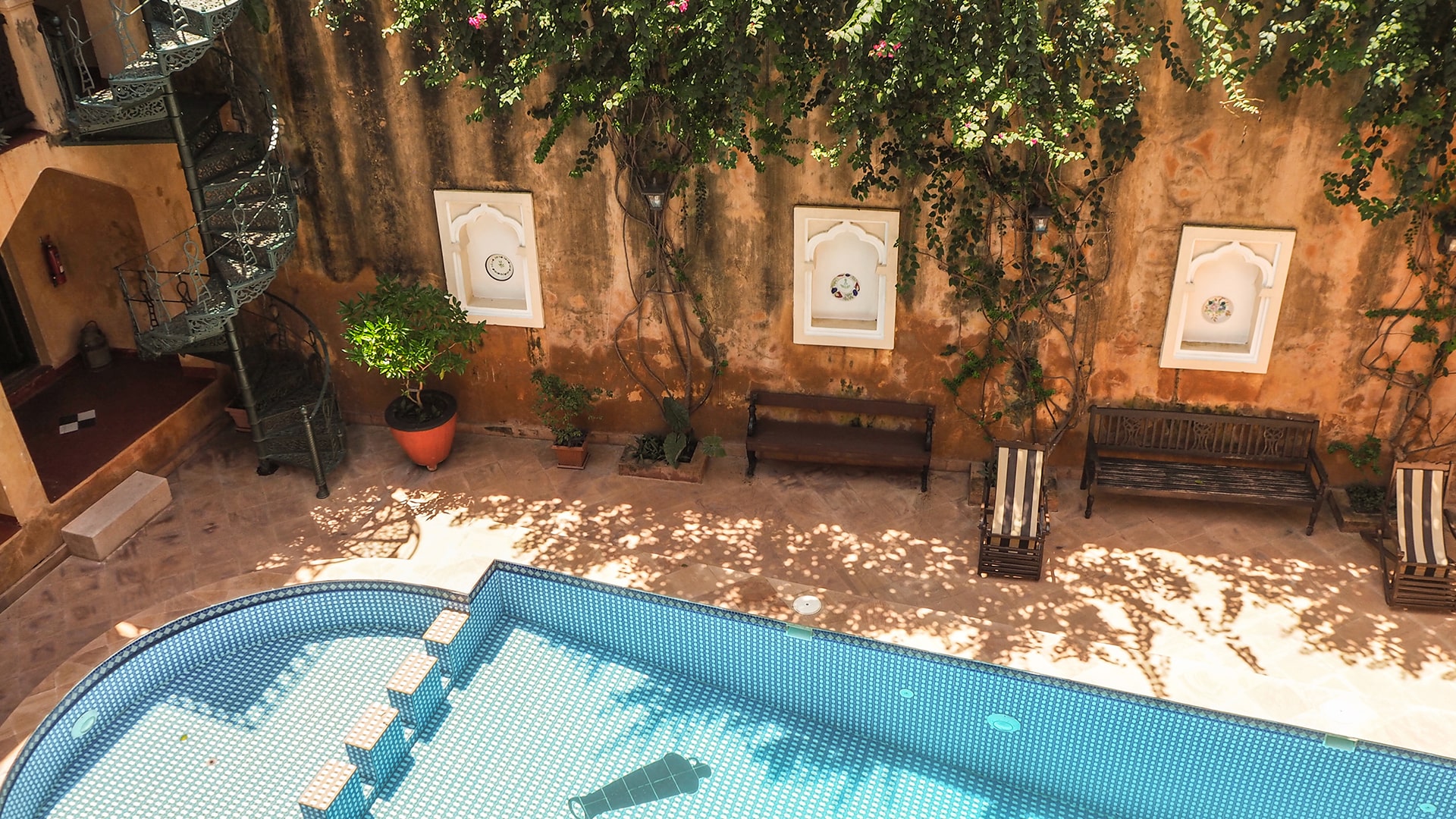
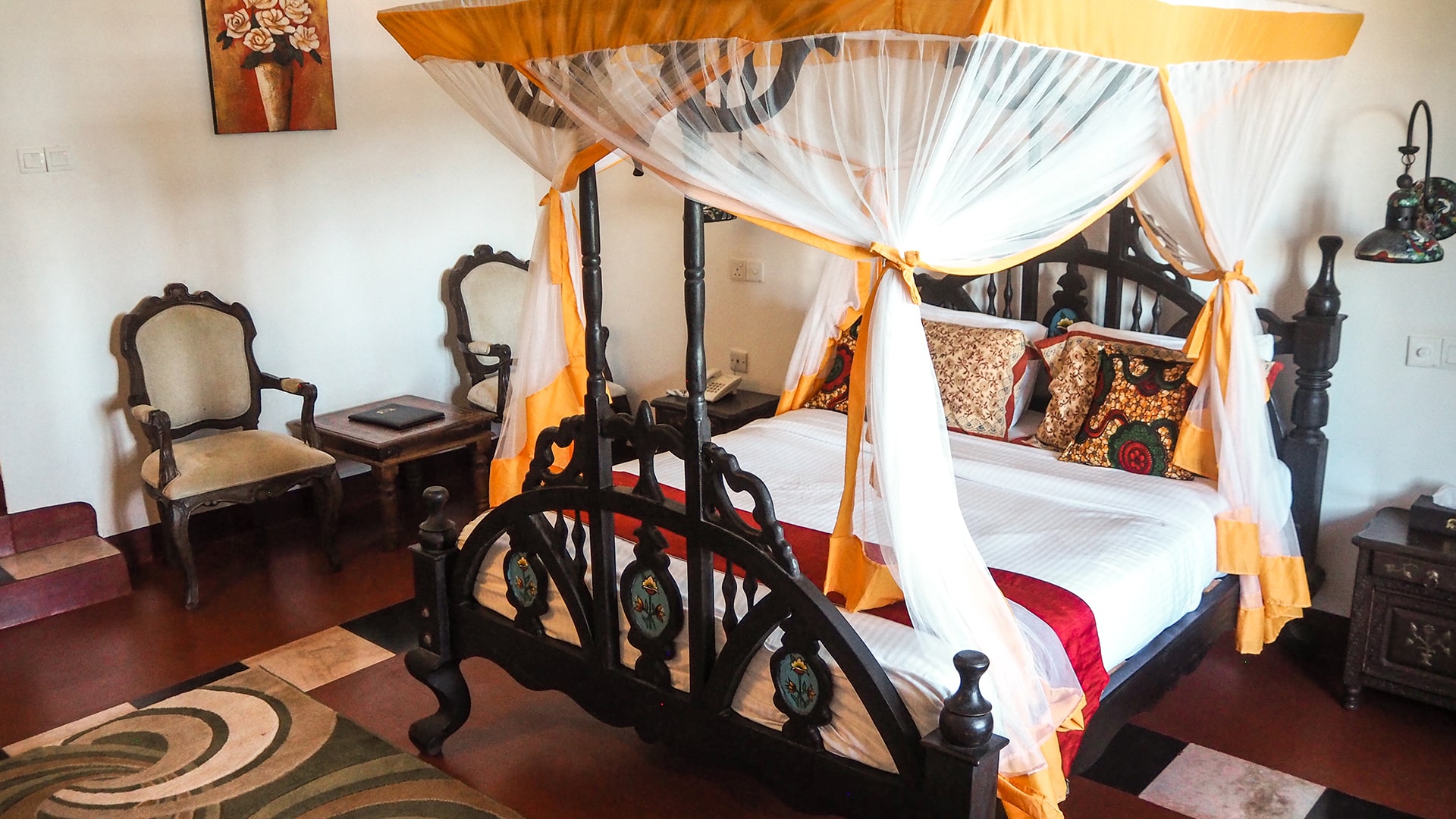
On arrival at the Zanzibar Airport, you will be met and greet by our guide and the driver then transferred to your hotel. You will have an overnight stay at Mizingani Seafront Hotel on Bed and Breakfast at Deluxe Suite Rooms.
Bed and Breakfast (BB)
Mizingani Seafront Hotel or Similar Accommodation
The excursion begins in Malindi, at the , where slave ships brought their human cargo from Bagamoyo to Zanzibar. Next you’ll visit the house of Tippu Tip, the notorious Arab slave trader. Tippu Tip's House is a historical building in Stone Town, Zanzibar, located in Suicide Alley in the Shangani ward near the Africa House Hotel and Serena Inn, about 15–25 minute walking time from the Old Fort and Forodhani Gardens. It is the house where the powerful merchant and slave trader Tippu Tip lived whose real name was . The building was a private residence until the Zanzibar Revolution, and was later converted into a block of flats. Despite being a tourist attraction, it is not formally open to visitors and it is in such a state of decay that it has been described as . The large decorated carved wooden door, as well as the black and white marble steps, still testify the great wealth of the historical owner of the house. We continue on to the site of the The built in 1874. The cathedral signifies a potent time in Zanzibar’s history and stands on the sight of a past slave market, its high alter standing on the exact site of the whipping post. Slavery was abolished in 1873 through a decree passed by the then sultan of Zanzibar.
Next we will heading to Visit the house of the good slaves friend who campaigned for the abolition of slavery which marked its end in 1873. was built around 1860 for Sultan Majid, and was used by many of the missionaries and explorers as a starting point. Most notably, Dr David Livingstone lived here before commencing his last journey to the mainland interior. You’ll be then driven to Mbweni to visit - 5km south of Zanzibar Town, formerly a school for freed slave girls. Mbweni Ruins was a base and settlement for former slaves in the 19th century. The ruins of St Mary’s School for Girls, built by missionaries for girls freed from slave ships, is now set amid the lush gardens of Mbweni Ruins Hotel. After tours, you will be dropped off at your hotel for overnight (BB).
Bed and Breakfast (BB)
Mizingani Seafront Hotel or Similar Accommodation
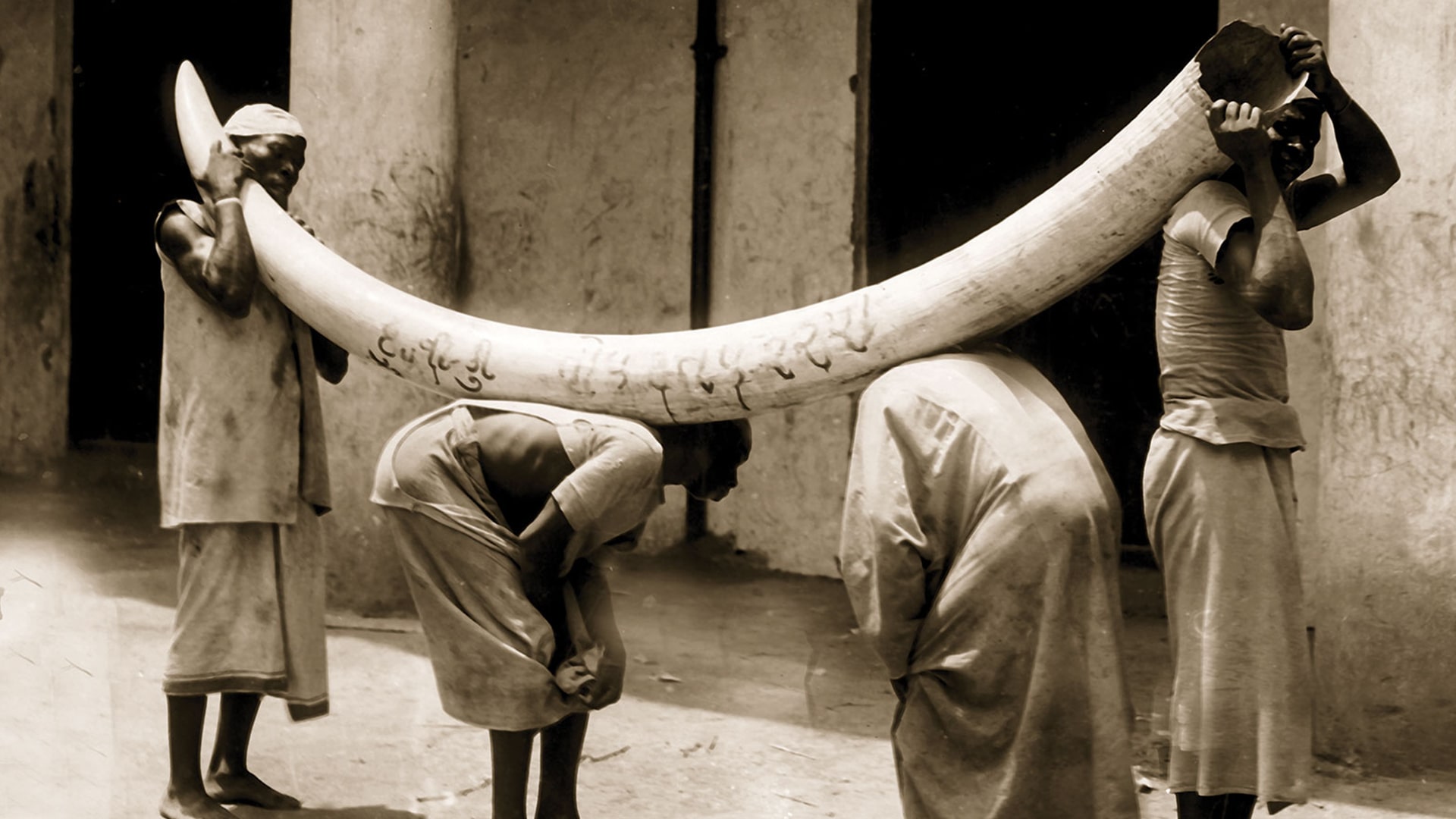
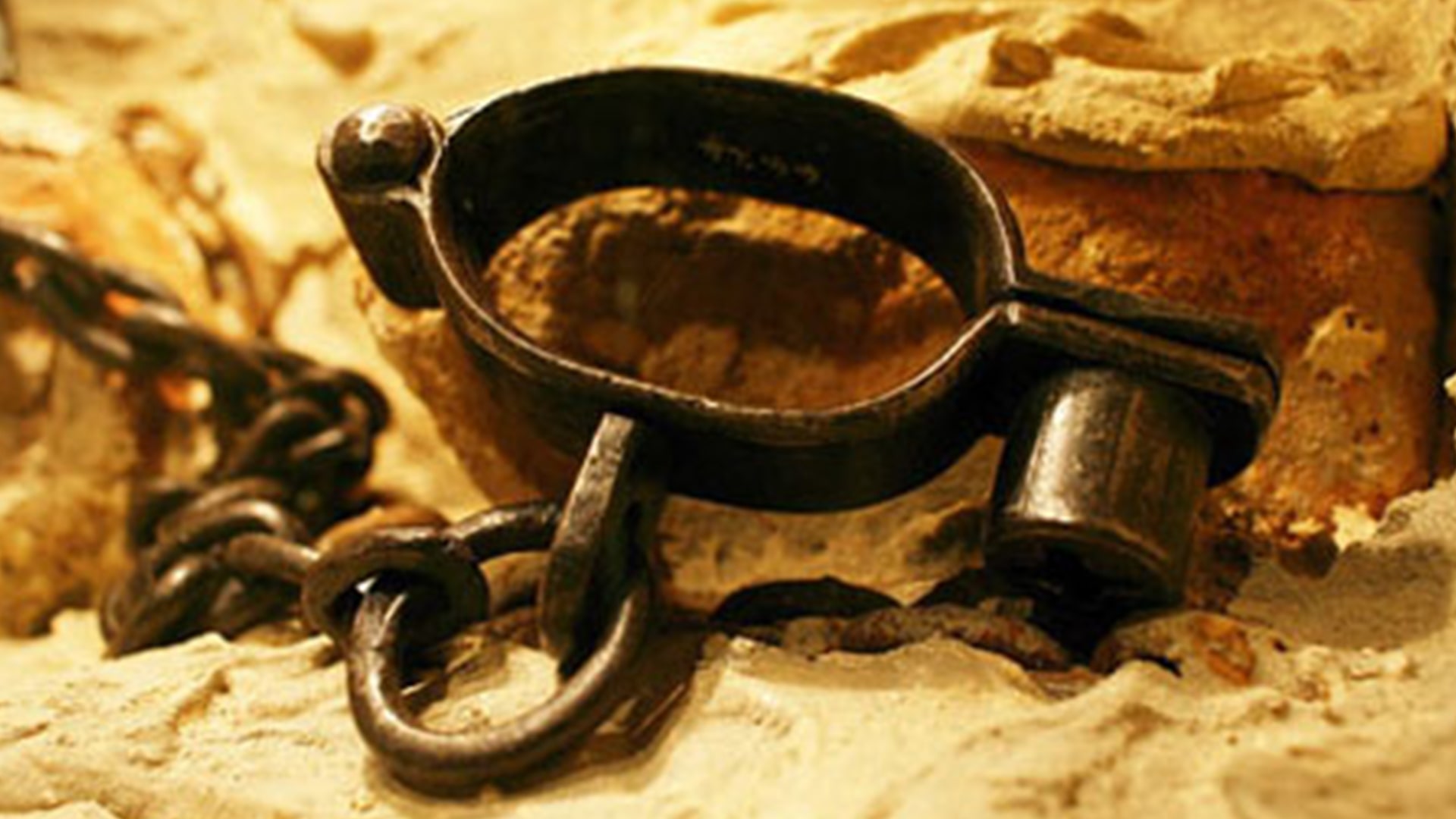
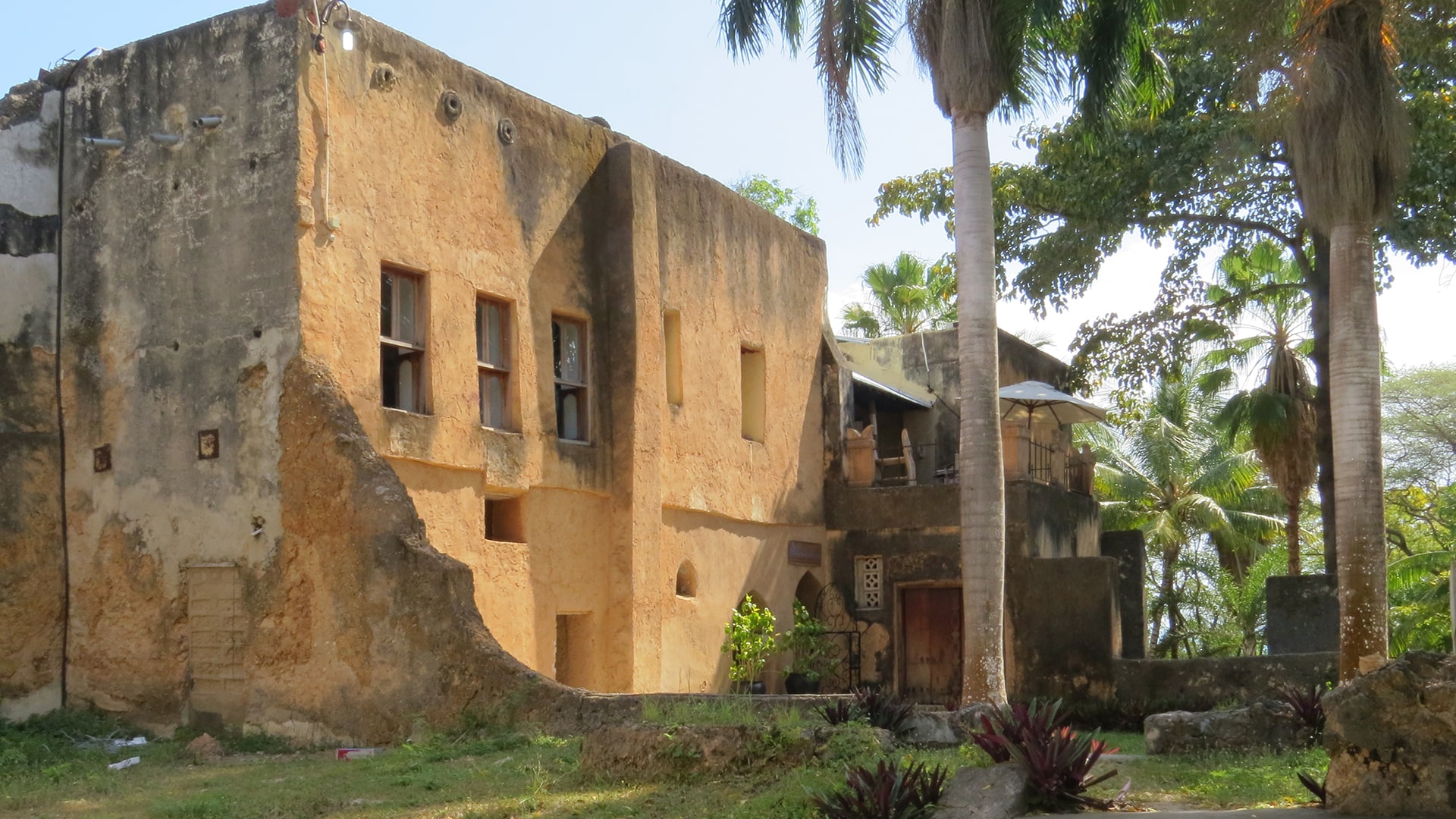
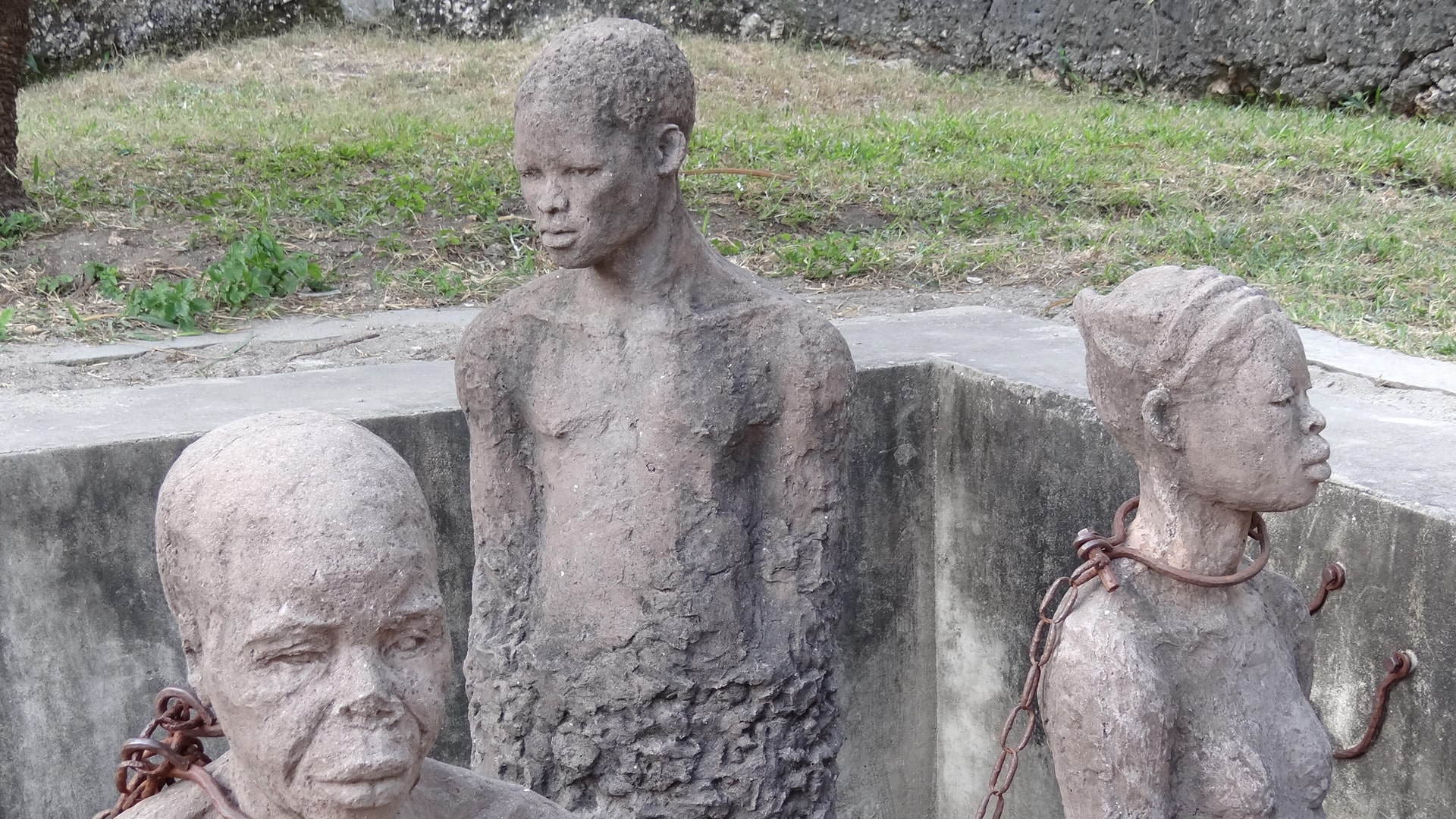
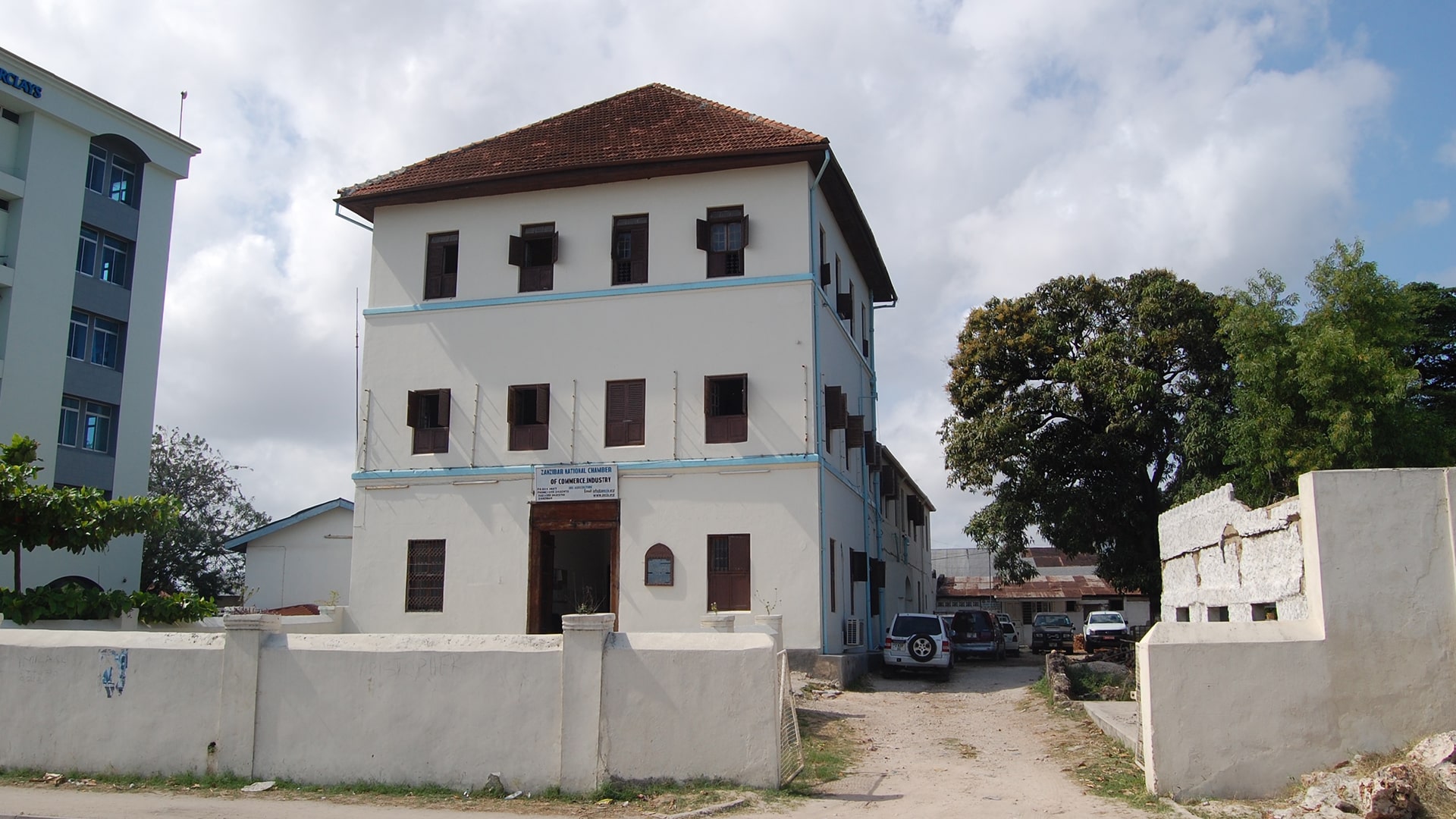
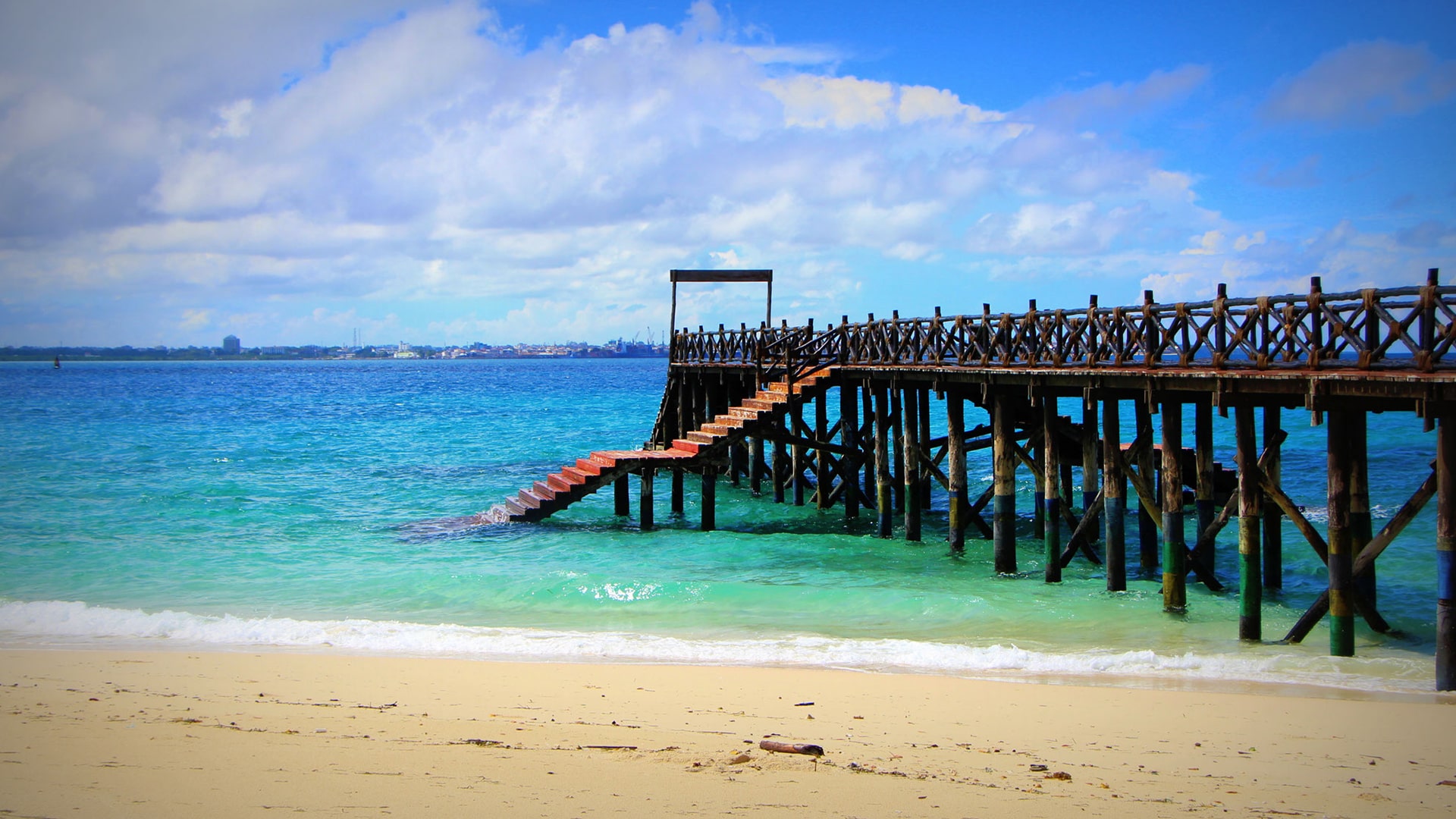
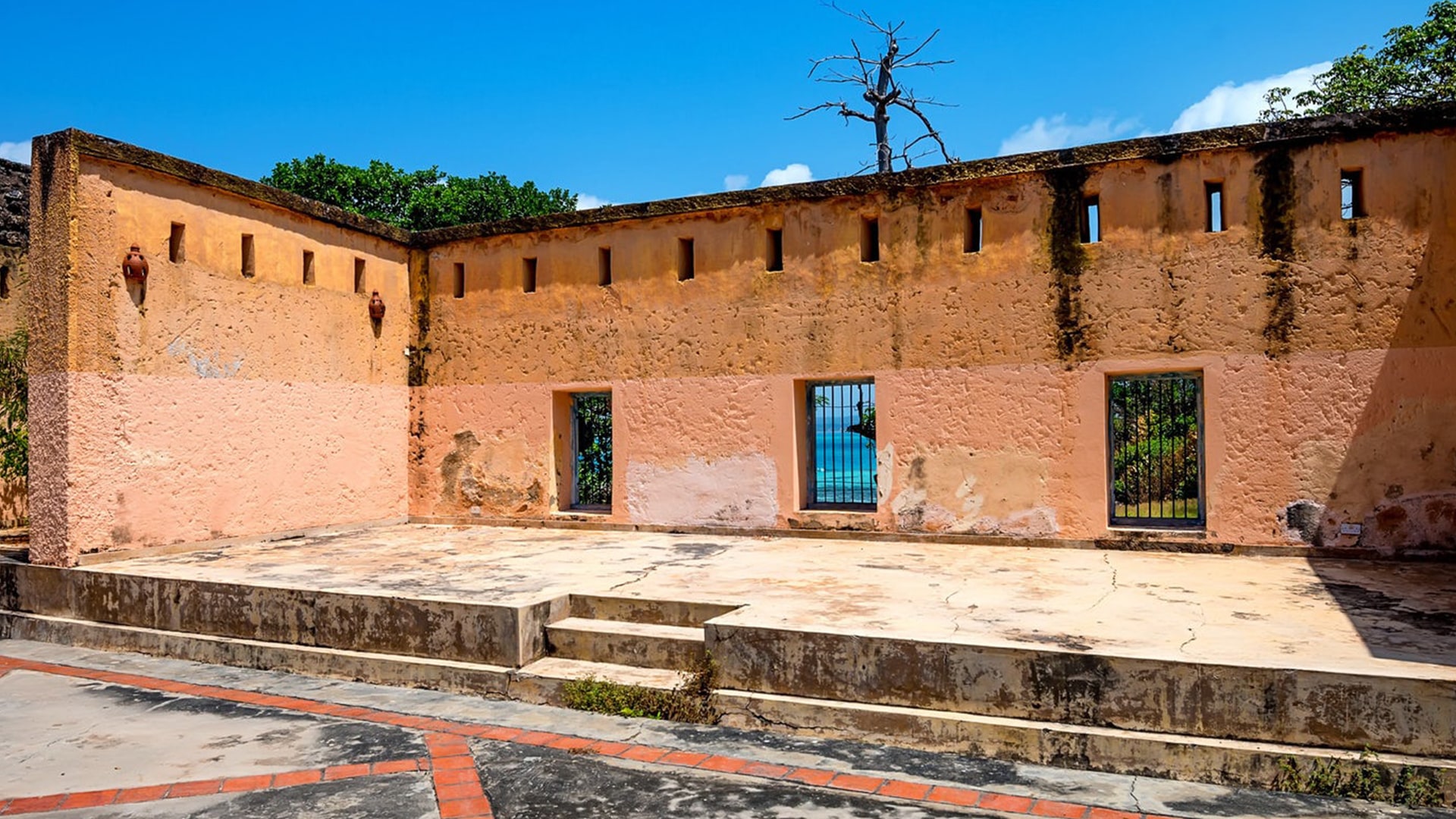
Morning after breakfast pick-up from Mizingani Seafront Hotel for a boat ride to , the former prison for slaves and quarantine station for Zanzibar, is an absolute worthwhile experience. In 1893 built the prison. The prison idea was to send violent criminals from the Tanganyika mainland to the Prison Island. The Prison Island ended up being used as a quarantine center, instead of a prison, for yellow fever epidemics that once raged through the region. the Island is a home of Aldabra Giant Tortoises. Flanged by an amazing beach of reef sanctuary.
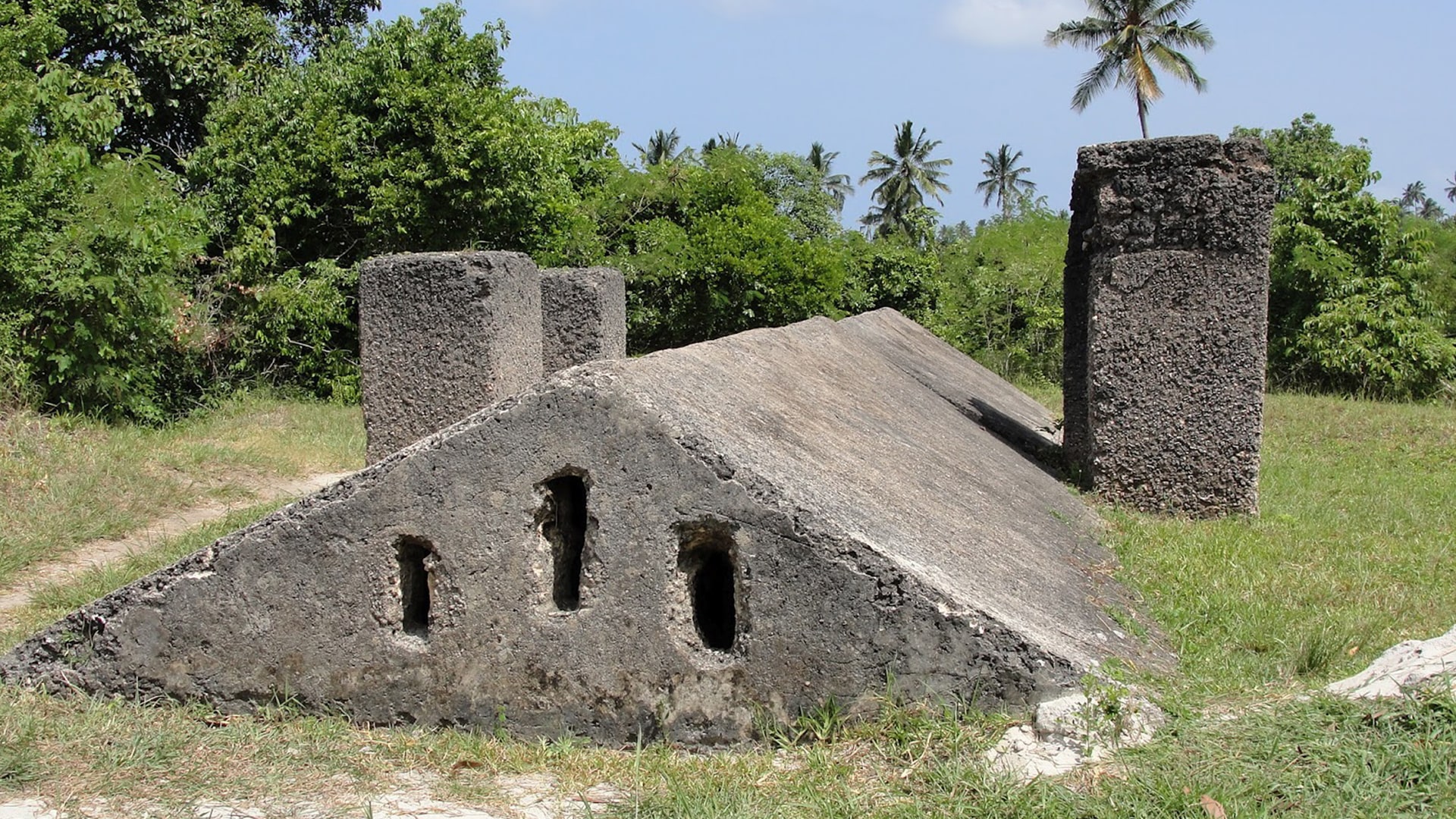
Next we will heading to Visit the Visit where 99 necked enslaved women were entertaining the Arab Sultan of Zanzibar (1870-1888) in the luxurious palace. The last stop is at where slaves were kept waiting for monsoon winded boats to fetch them and to be exiled. Mangapwani Slave Chambers built by around 1880 from the cave and connected to the seaside 2kms away. It was an important transit point for the captured slaves to be sold to the outside world at the time of the abolishment of slavery in 1873 especial in the middle East. Between 1880-1905, the Slave chamber was being used as a place of concealment of the human cargo pending their disposal. A utilized as the hideout by the Arabs for their human cargo ready for shipment. After tours, you will be dropped off at your hotel for overnight (BB).
Bed and Breakfast (BB)
Mizingani Seafront Hotel or Similar Accommodation
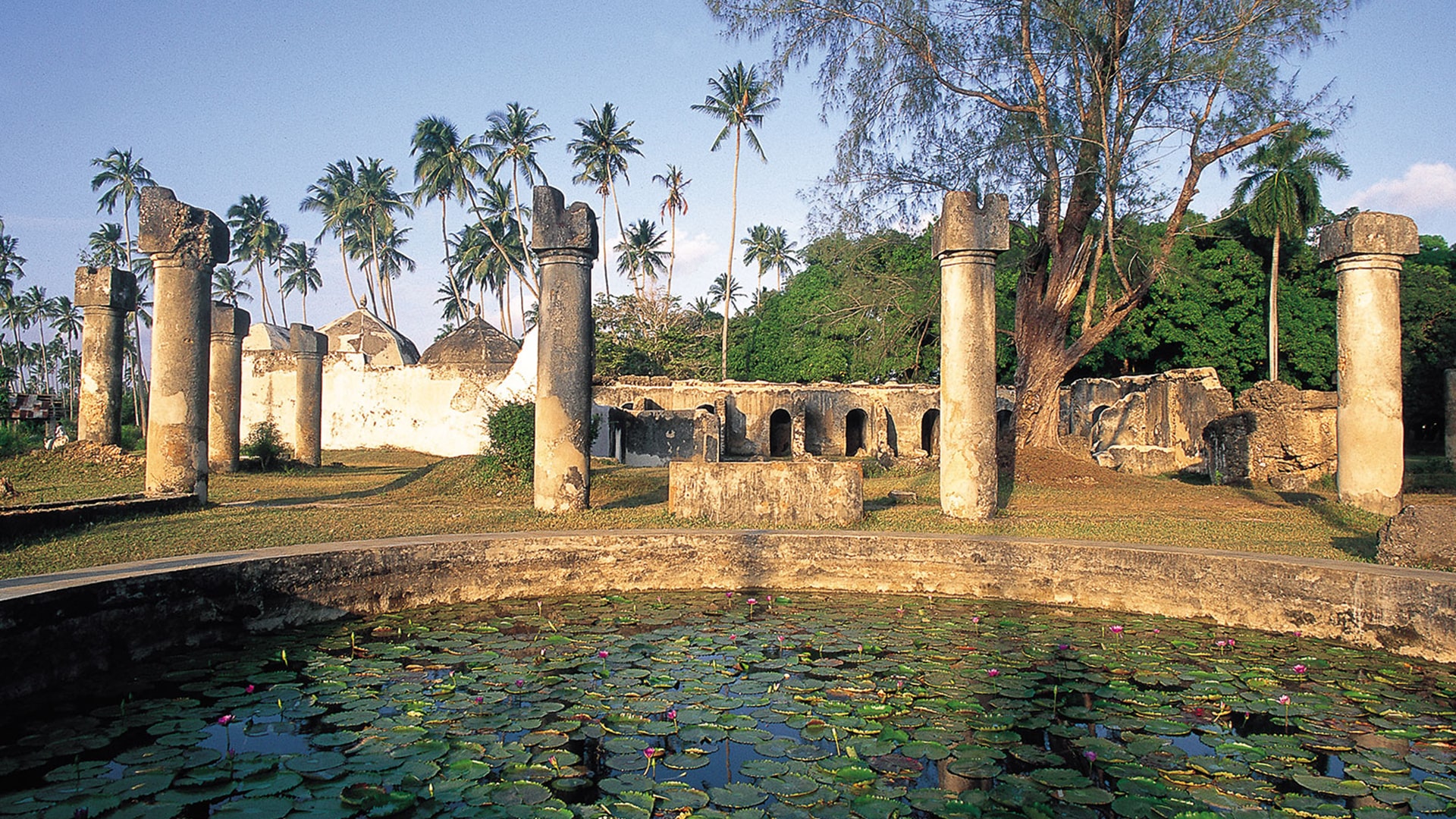
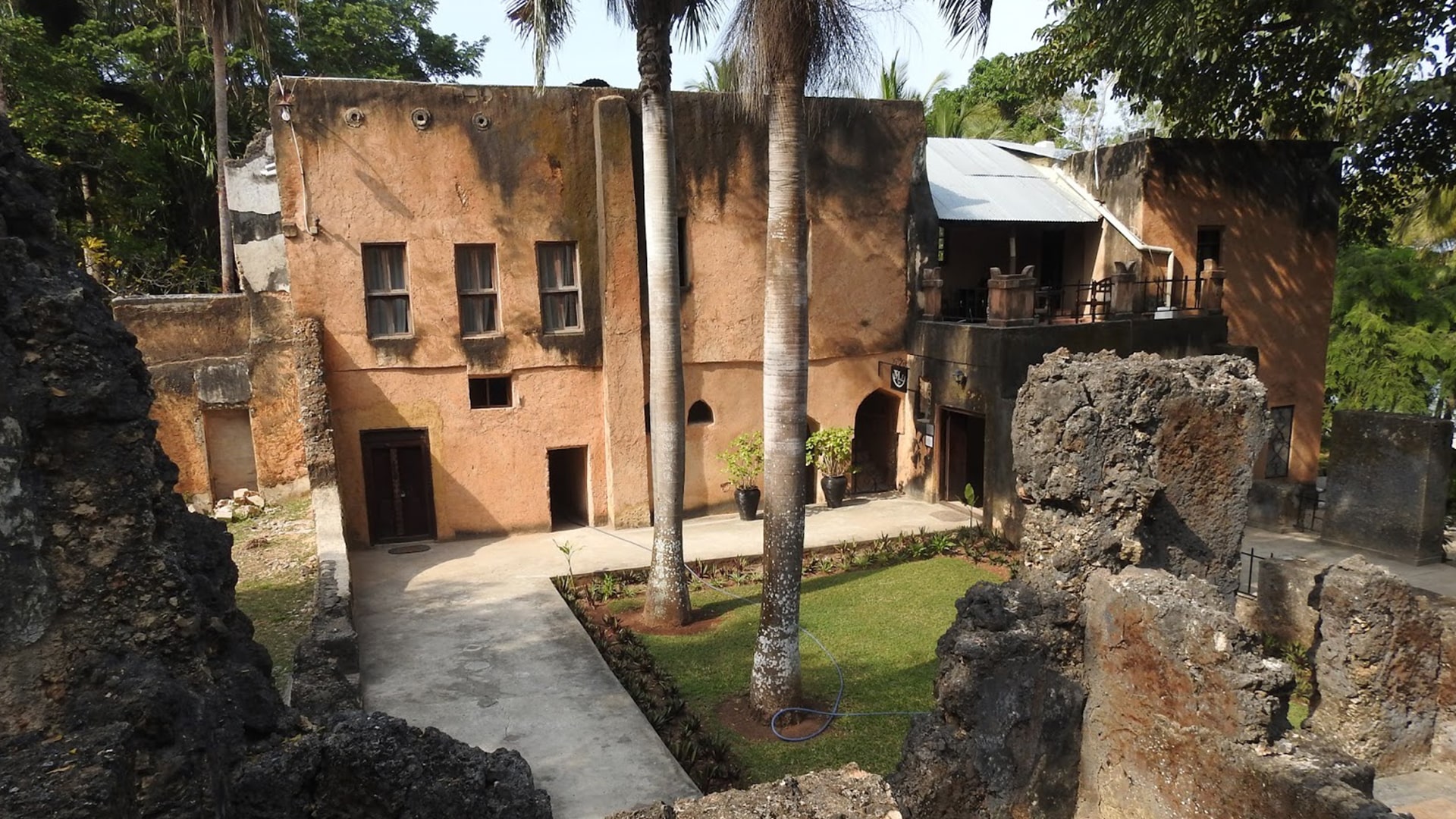
Breakfast at the Hotel – Swims or Some leisure at Mizingani Seafront Hotel. You can use hotel facilities till the time for the transfer to Zanzibar Airport (Depends on the flight departure timing). Late check-out will be charged extra depending on room availability at the time.